Short documentary (9-minute long) by Gustavo Martin (Director, producer and editor).
My roles: Dialogue editing, sound effects and mixing.
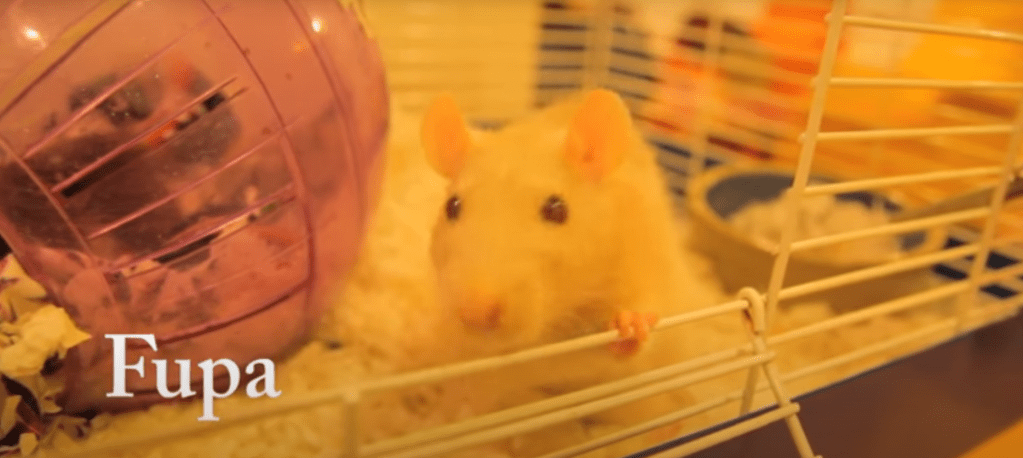
Cody, a struggling young artist, tries to find solutions to cure her feisty little rat’s ever growing tumor while she considers what it could mean to lose her.
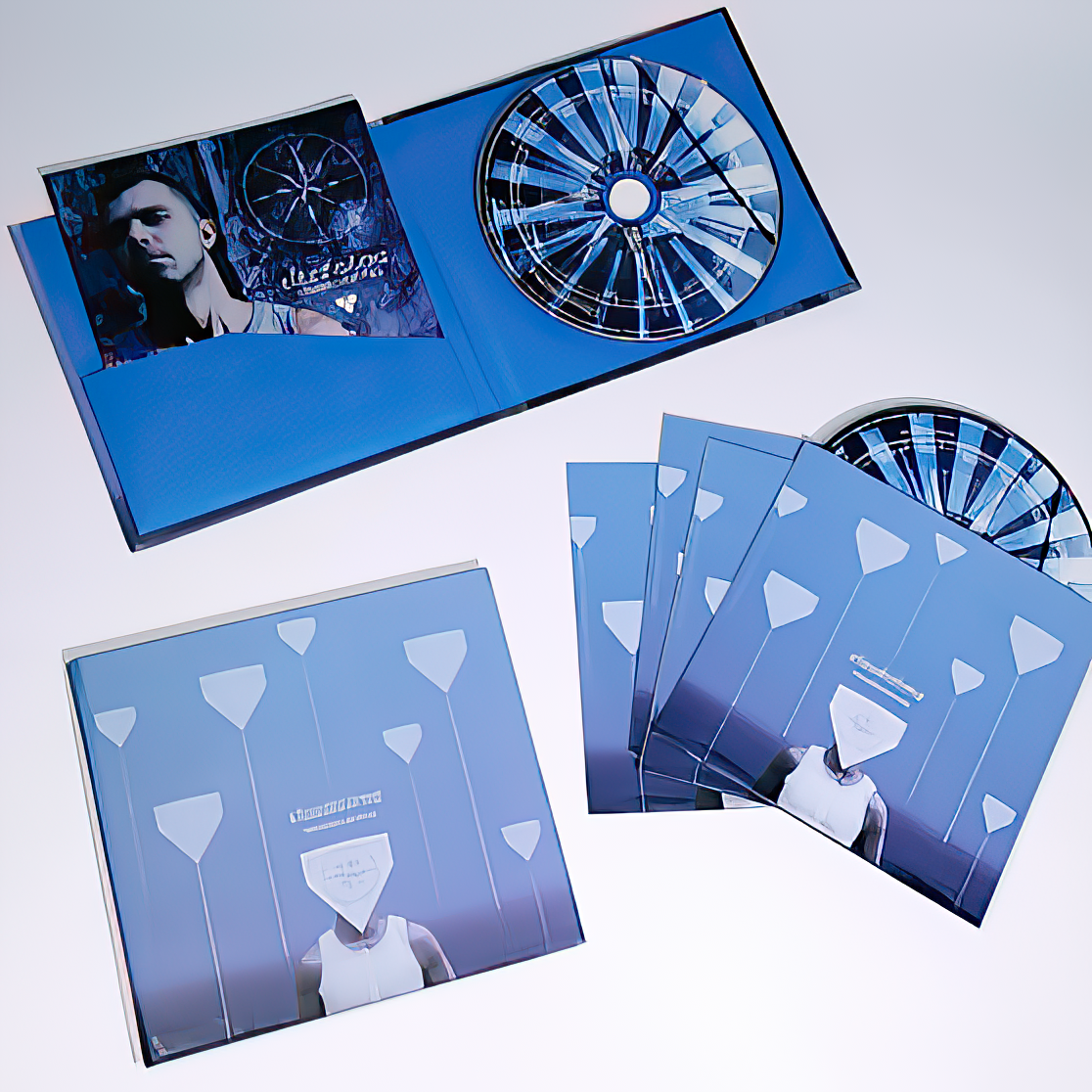
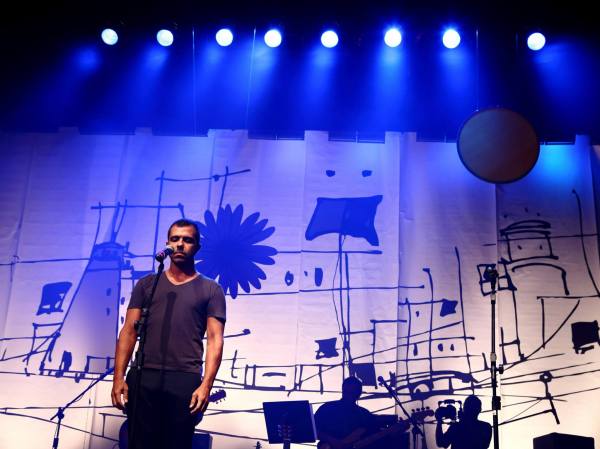
Claudio Lima’s 3rd album, Rosa dos Ventos, is an interesting project that brings together regional Maranhao (Brazilian state), pop, classical and electronic music. It’s a song album, with several music personae glued up by Claudio’s beautiful and powerful voice.
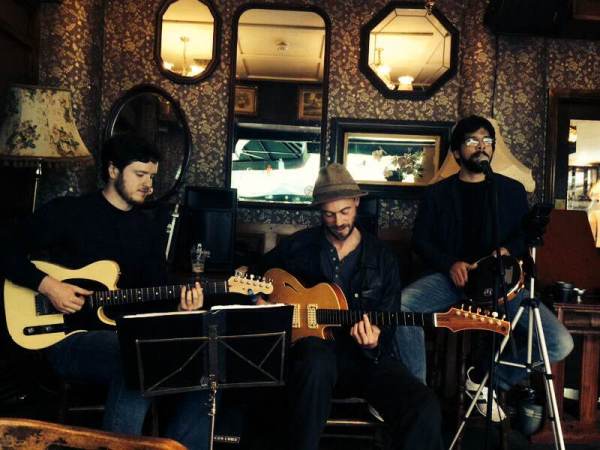
A long project, following the singer’s process of composition and repertoire selection. In 2013, I started working on the album’s initial arrangements, defining its aesthetic direction. I worked on it for almost 4 years as arranger and producer. In May 2017, I led a group of musicians for the album premiere concert, playing MIDI guitar, drums, pandeiro and synths.
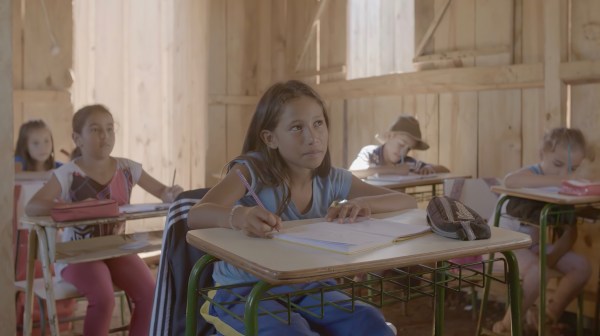
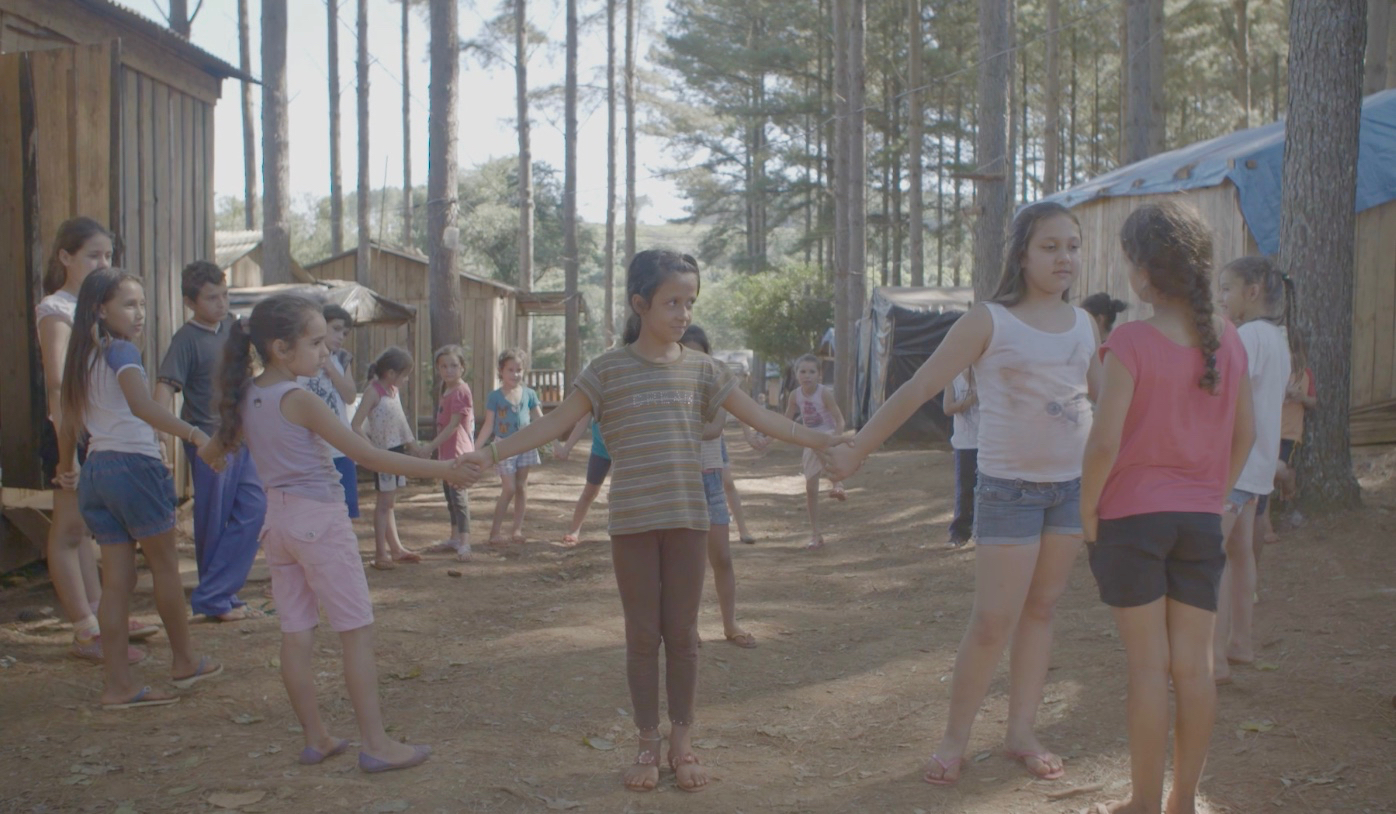
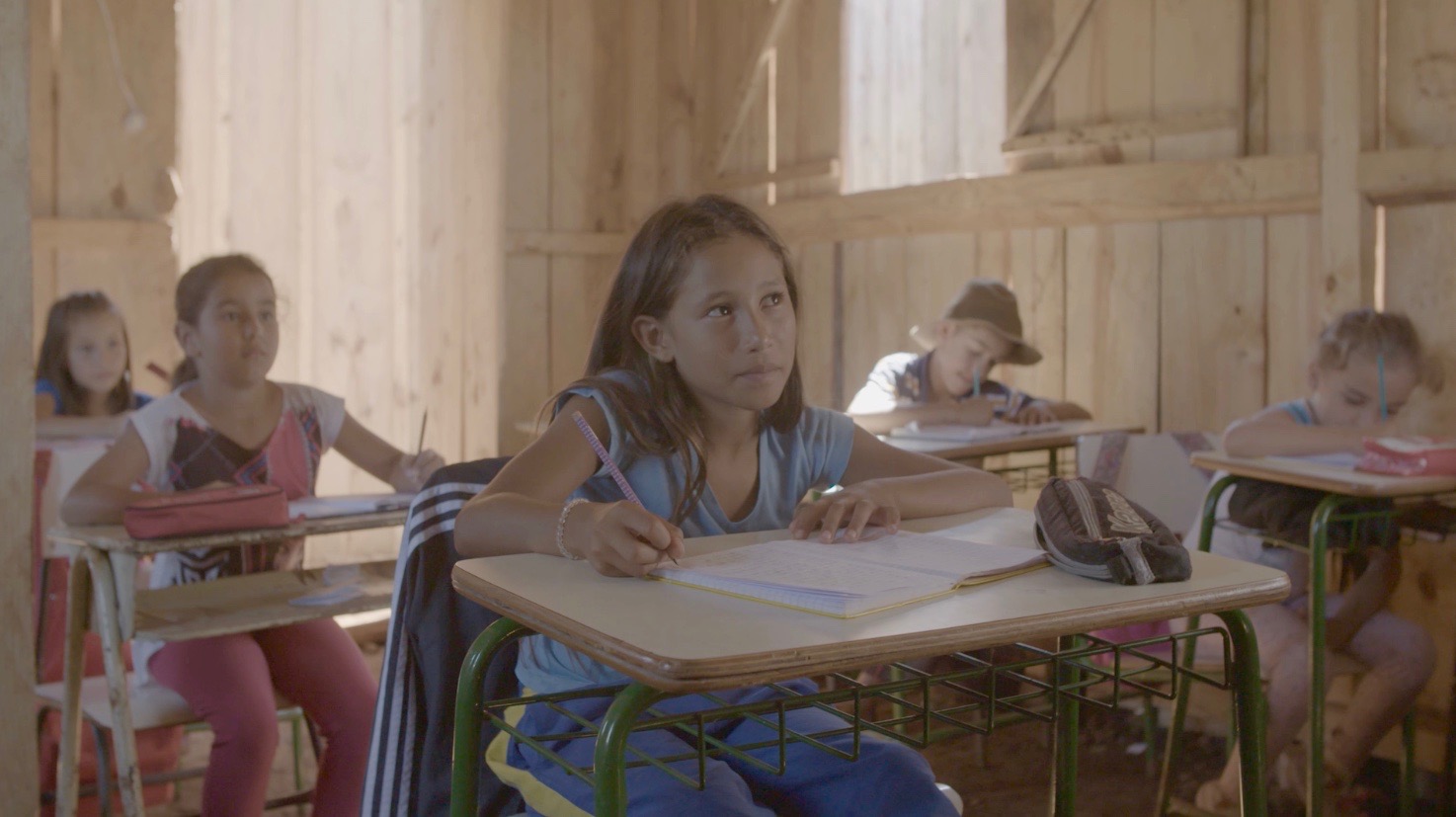
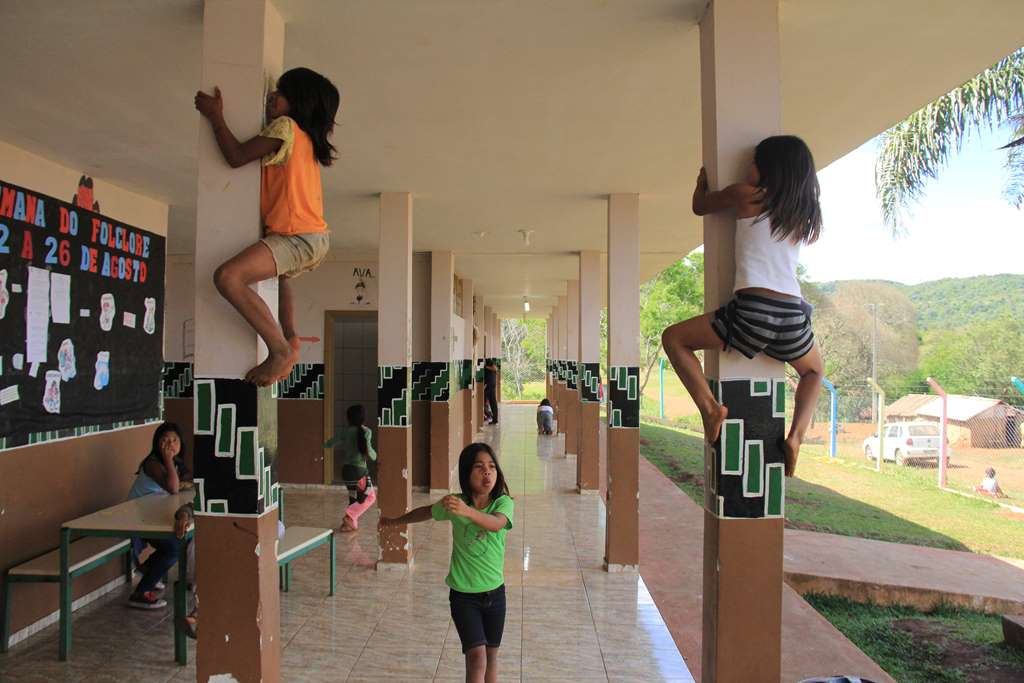
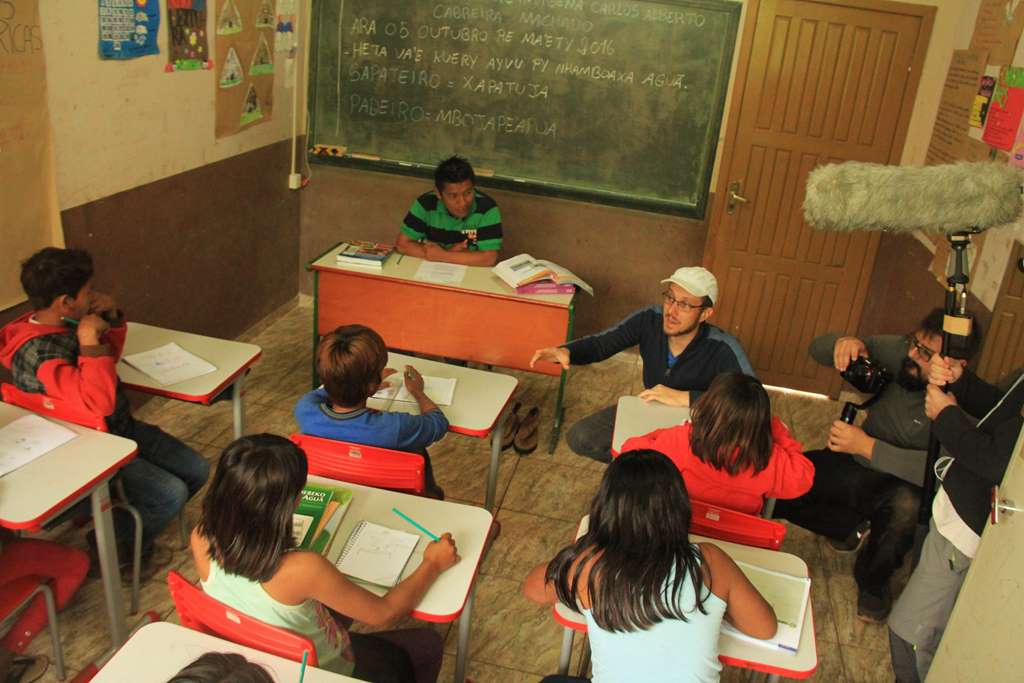
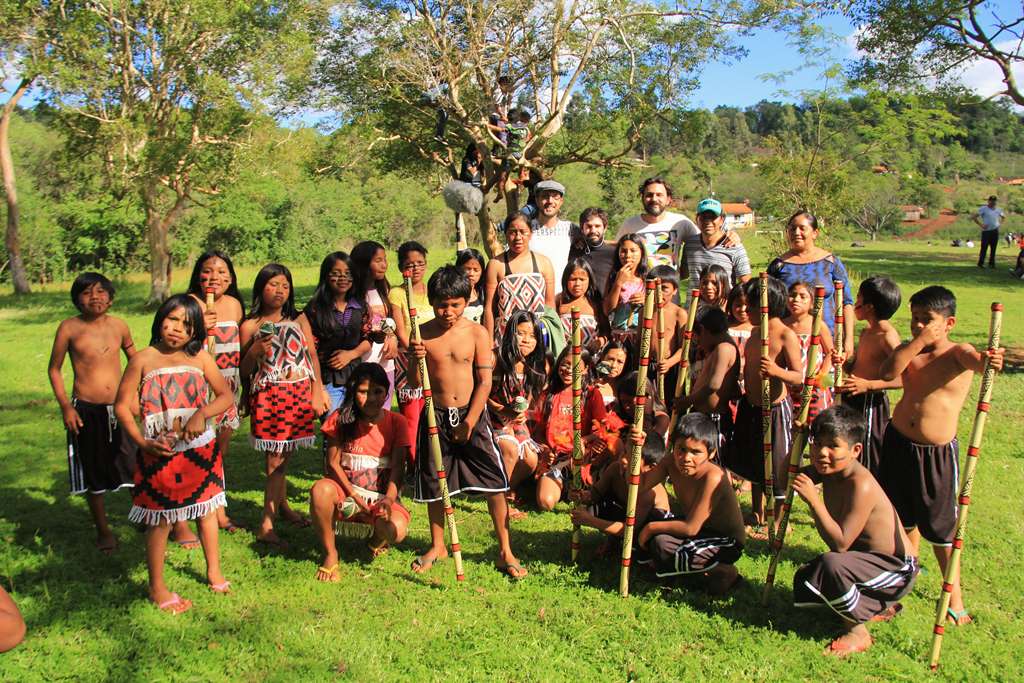
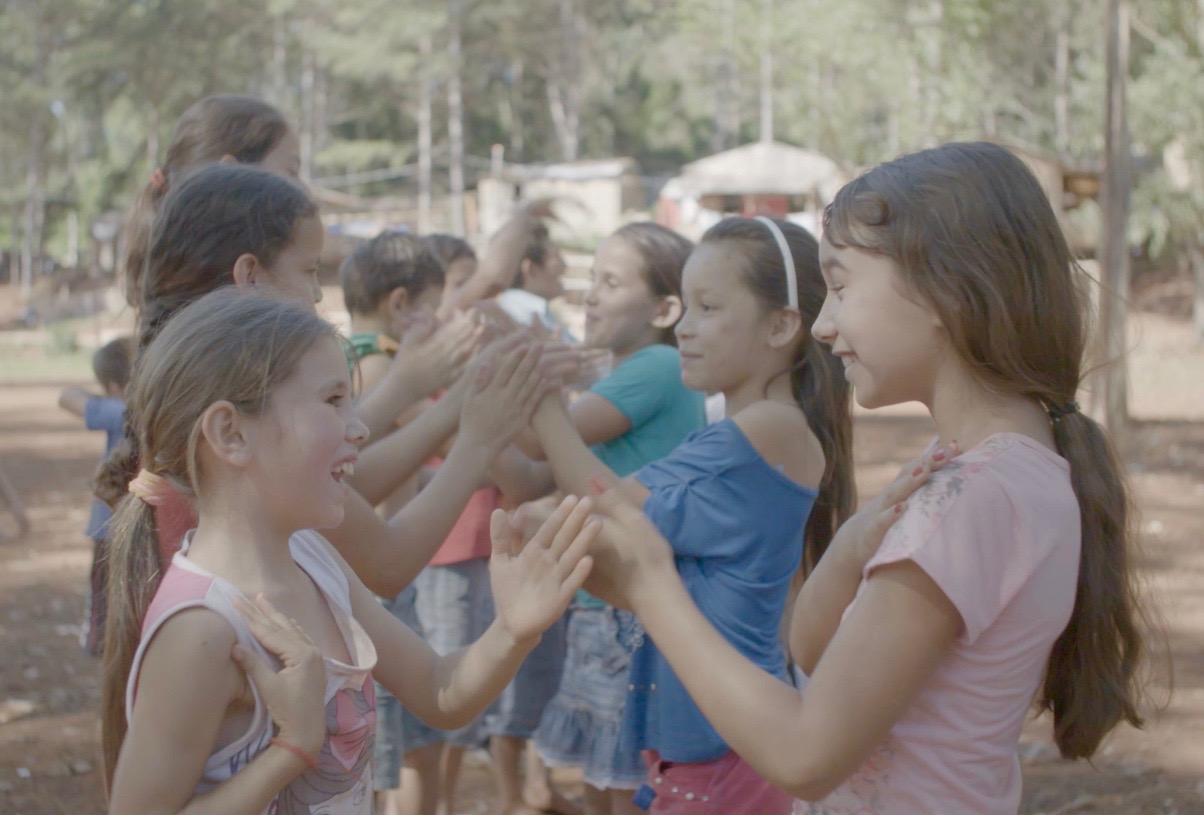
Auê* is a series of 27 2-minute long micro-documentaries. My role: sound mixer.
The movies show the diversity of children’s plays in several public schools in Curitiba-PR (Brazil). The kids host the episodes themselves, demonstrating and talking about their activities. The screenplays are based on research done by the directors Nélio Spréa (from Parabolé) and Otavio Zucon.
The episodes are being offered at no cost to more than 200 public TV channels in Brazil, and should all be eventually available on Parabole’s YouTube channel. This project was approved by ANCINE (Brazilian National Cinema Agency) and it is funded through Fundo Setorial do Audiovisual. The series will debut in February 2017.
* Auê might mean (among other things): fun/agitated activity; uproar/tumult; party.
This is the result of my practice based research at Queen’s University Belfast (more specifically, at SARC), supervised by Dr. Pedro Rebelo and Dr. Paul Stapleton (2nd supervisor).
Here, you can find the full portfolio commentary in PDF, related posts and video documentation for each piece.
Abstract
Through a creative portfolio and an analytical and critical commentary, this research investigates the use of spatial references in the composition of semi-open environmental sound works. The portfolio explores a number of strategies to make use of spatial references as formal compositional components to enable more intuitive performance/reading experiences. The pieces present a number of electronically mediated scenarios in varied formats; concert, installation and mobile application. Counting on the intuitive way one tries to constantly identify surrounding spaces, each piece uses physical (performance/presentation spaces) and representational devices (illustrations, maps, video projections, spatialised sound etc.) to articulate and delimitate semi-open artistic experiences. Such ambiguous scenarios are enabled by both the unpredictability of elements of each work and the dependence on the subjective interpretations of the agents involved in the process. The creative processes presented here in a descriptive, analytical and critical manner attempt to make an artistic contribution and provide documental material for future reflection about related practices.
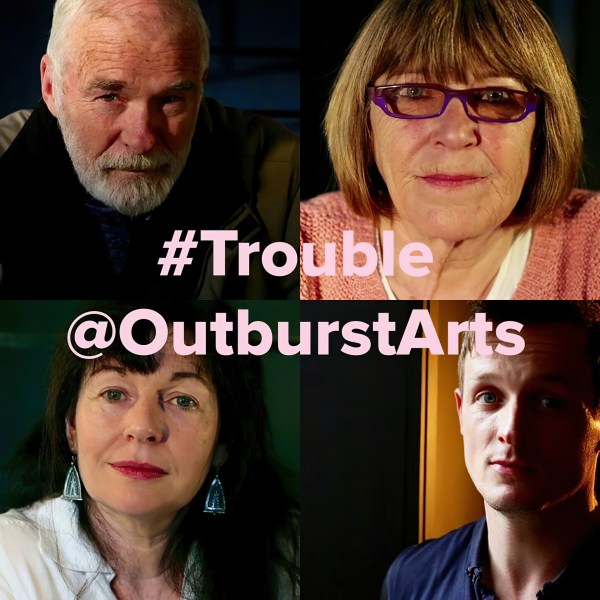
Theatre performance/installation by Shannon Yee, produced by TheatreofplucK “(…) that creatively brings to life the voices of queer people who lived through the 60s, 70s, 80s and 90s in Northern Ireland. A host of the provinces best loved actors from stage and screen give voice to the actual testimony of LGBTQ people who navigated The Troubles to live, love and build community here. This fascinating performance installation uncovers a hidden queer history that is in turn moving, defiant, funny and hard hitting”.
My role: sound designer/programmer. I was responsible for recording and editing the actor’s voices, for the music composition and for designing a local network playback system (using Max/MSP) that connected 13 machines (1 laptop controlling 12 tablets) to reproduce 12 different, but synchronized, movies and 24 independent audio channels.
A Blue Bridge is a soundwalk based audio-visual piece for 16 channels. The piece presents readings of a particular urban space in the city of Belfast through an interactive performance that recreates a soundwalk, juxtaposing and superimposing layers of sound, light and memories. It proposes a semi-open concert situation, conducted by a performer that leads the audience through a reconstructed soundwalk composed of fragments of several recordings of the same route, crossing a footbridge over the river Lagan (Belfast-UK).
A custom Max MSP patch manages 1 video file and 16 audio channels divided in two layers: 8 fixed (“real” sounds layer) and 8 manipulated and processed in real time (“imagination” layer). The fixed layer contains several stereo recordings of the walks done in different times of the day, edited to create a number of sub-layers. This approach allowed me to assemble a number of complex sonic environments that resemble the original ones, but expanding them from stereo to an 8-channel surround scenario.
During the performance, these 8 channels are played back synchronously with the video. In terms of content, this first layer presents manly background, ambient sounds, without too many distinct sonic events being heard.
The second audio layer (“imagination”) contains heavily edited recordings, presenting mostly foreground sounds that can be manipulated and brought to the foreground by moving around a wirelesses control sphere (sending OSC messages to Max MSP).
In the following performance excerpts, recorded in the Sonic Lab at Queen’s University, the 16 channels were mapped onto 32 channels with speakers in 3 levels: bellow, above and at the audience level.
Up the Hill is a multichannel sound installation based on field recordings made at Cave Hill Country Park and created specifically for the Soundscape Park in Belfast (a small park, open to the public during weekdays, a “permanent interactive sound installation”, hosting a great number of works scheduled from 9 to 5PM).
Up the Hill is a “miniaturised version”, a glimpse of the experience one could have walking around the much larger environmental sound system of Cavehill.
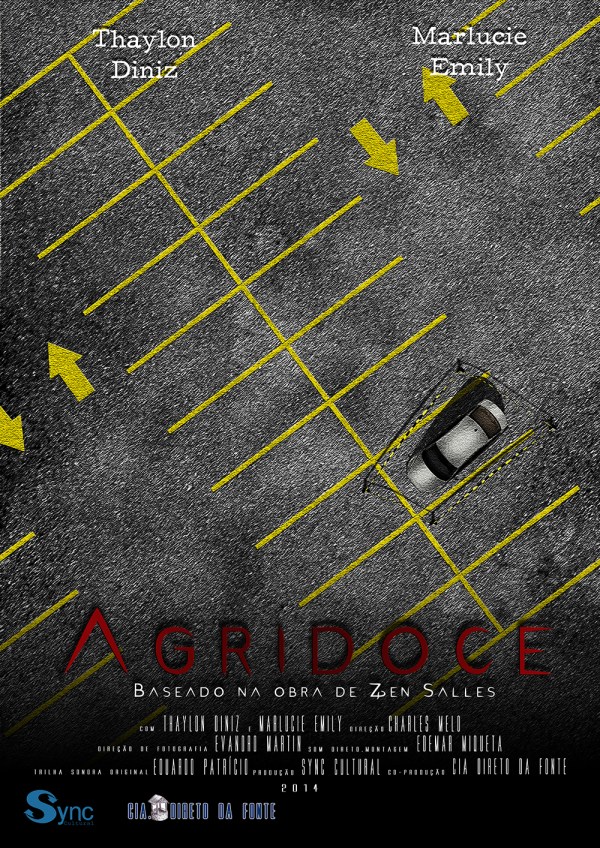
Short movie by Charles Mello based on a play written by Zen Salles.
I worked on its sound design. The damaged toy piano at the end of the movie is an algorithmic distortion of “Daisy Bell (Bicycle Built for Two)”, song written in 1892 by Harry Dacre.



 Eduardo Patricio